 Digital
Case study · Field service · 4 min read
Hungaria Maintenance: connecting 80+ field technicians and 3,000+ worksites
A custom mobile app and back-office system connecting field work, service history, HR and reporting across a growing maintenance operation.
23 September 2026
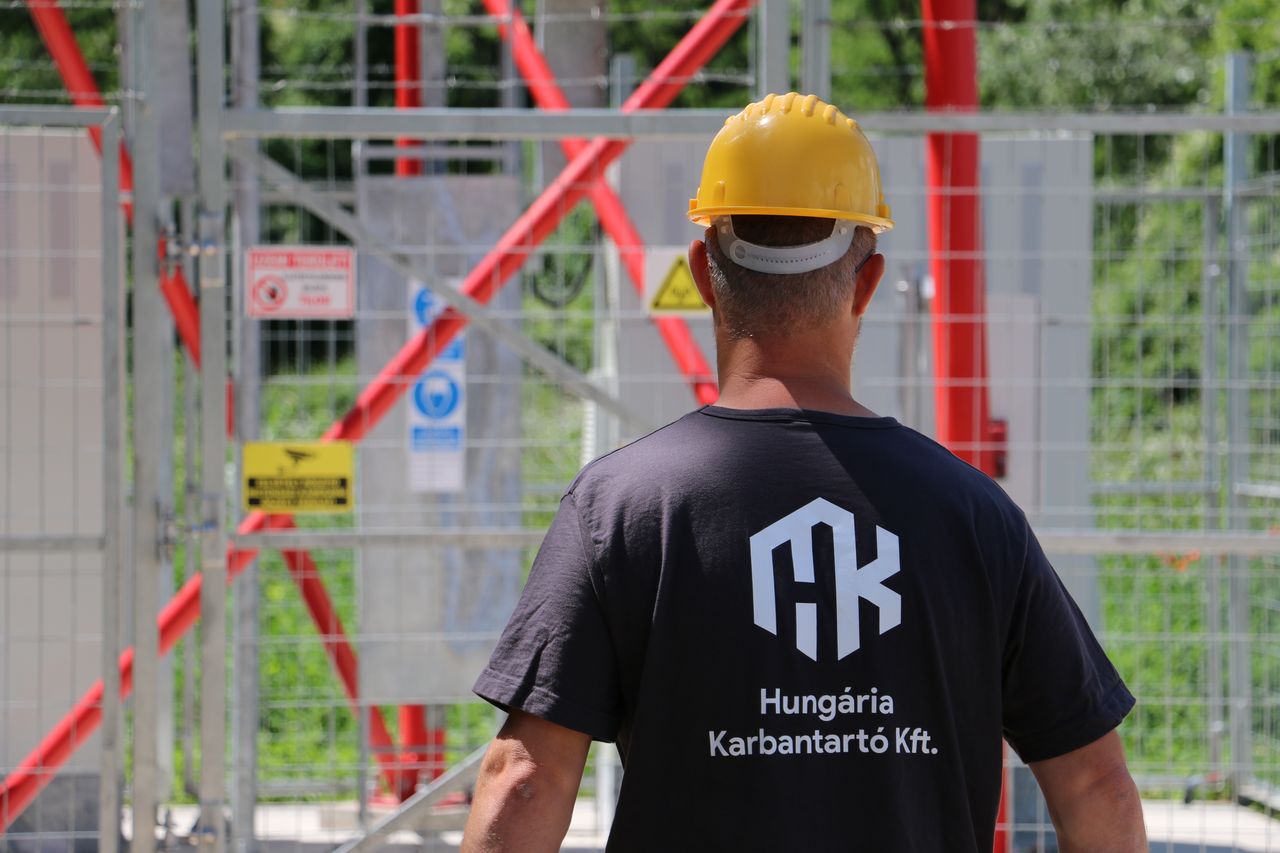
Hungaria Maintenance’s field teams now use mobile apps to manage their on-site work. Dispatchers, HR and management work through a connected back-office application, with reporting across an operation of more than 80 service personnel.
Our work together has covered more than a year, from introducing Microsoft cloud services to building the applications that support day-to-day operations.
A growing maintenance business with a distributed team
Hungaria Maintenance installs, operates, maintains and repairs specialist cooling equipment used in telecommunications networks, including infrastructure supporting railway communications. Its services include planned preventive maintenance, fault resolution and dispatcher support.
With technicians working across many locations, the office needs a reliable view of what is happening in the field. Technicians, in turn, need access to the information relevant to the worksite and the job in front of them.
The scope was therefore broader than a mobile app. We needed to connect the field operation with the people coordinating the work, administering employment processes and managing the business.
Different applications for different jobs
We built a custom mobile application for field technicians and a connected back-office application for dispatchers, HR and management.
The mobile app supports work at the point where it happens. The back-office application gives colleagues a way to manage the associated operational and administrative processes. Both are part of the same solution, so field service and office work can be followed together.
We also migrated more than 3,000 worksites belonging to different clients. Getting those records into the new system was an essential part of making the applications useful from the outset. A technician needs the correct site, and the office needs that site connected to the right client and service history.
Field work, HR and reporting in one operation
The field service workflow is now digital, with mobile apps used for on-site administration. GPS integration adds location information to the solution, while service history gives teams context for work at a particular site.
HR processes have also moved into the application. This brings an important part of the administration around the field team into the same environment as the operational work.
For management, the result is better visibility across the activities of more than 80 service personnel. Operational reports provide a basis for reviewing the work and making decisions from recorded data.
These are practical changes: technicians use the system in the field, office colleagues manage the connected processes, and management can examine the operation through reports. The information collected during daily work becomes useful beyond the individual job.
Making operational data useful to the office
For a maintenance business, completing a job is one part of the process. The information about that job also needs to support the people organising the next visit, reviewing earlier work and administering the team.
Service history helps make the individual worksite understandable over time. When the same location needs attention again, the record of earlier work provides context for the next task. Across more than 3,000 sites, keeping that context attached to the correct location is an important part of running a consistent service operation.
The reporting layer gives management a different view of the same activity. Individual records describe particular jobs; reports make it possible to review the wider operation. Together with the HR processes now handled in the application, this gives the office a more connected view of both the work and the people carrying it out.
Introducing the cloud was part of the delivery
We introduced Microsoft cloud services alongside the custom applications. That work gave the company the underlying environment needed to use the solution across field and office roles.
After more than a year of collaboration, the result is a connected digital operation covering field service, back-office administration, HR and reporting. The system provides a shared foundation as the company continues to grow.
If your maintenance business needs a clearer connection between field teams and the office, contact JP Digital to discuss your current workflow.
Results at a glance
80+ service personnel. 3,000+ worksites migrated. Field administration handled through mobile apps.
| Scale or process | Result |
|---|---|
| 80+ service personnel | Operational reporting across the field service team. |
| 3,000+ worksites | Existing location records migrated for multiple clients. |
| Field operations | Digital workflows supported by a custom technician mobile app. |
| Back-office coordination | Connected application for dispatchers, HR and management. |
| HR administration | HR processes transferred into the application. |
| Location and history | GPS integration and service history available within the solution. |
| Management visibility | Recorded operational data supporting reporting and decisions. |
The main change is practical: field work and the administration around it can now be followed together, at the scale of the company’s day-to-day operation.